
The Ultimate Guide to Study in Turkey for International Students
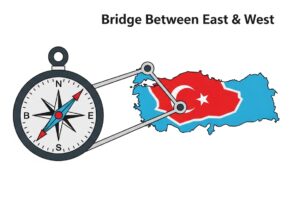
In recent years, Turkey has emerged as one of the most popular destinations for international higher education. Bridging the continents of Europe and Asia, Turkey offers a unique blend of modern educational standards, ancient history, and rich cultural diversity.
If you are considering pursuing your degree abroad, this guide will walk you through everything you need to know about studying in Turkey, from application processes and costs to scholarships and student life.
Why Choose Turkey? The Main Advantages
Before diving into the logistics, it’s important to understand why nearly 300,000 international students from over 180 countries choose Turkey each year.
1. Academic Excellence and Recognized Degrees
Turkish universities offer a wide range of programs. Many universities are ranked among the best in the world by metrics like QS and Times Higher Education. Degrees obtained in Turkey are recognized across Europe and the United States thanks to the Bologna Process, which Turkey is a part of.
2. Affordable Tuition and Living Costs
Compared to popular destinations like the UK, the USA, or Canada, Turkey offers significantly lower tuition fees and living expenses. Students can enjoy a high standard of living without the heavy financial burden often associated with studying abroad.
3. A Strategic Location and Rich Culture
Studying in Turkey means you can explore both Eastern and Western cultures. You can spend a weekend skiing in Uludağ and the next swimming in Antalya. The country’s location also makes it easy to travel to neighboring countries in Europe, the Middle East, and Asia.
4. The Turkish Language
While many universities offer programs in English, learning Turkish during your stay will enrich your experience. It is one of the fastest-growing languages in the world, and proficiency in Turkish can open doors to career opportunities in business, diplomacy, and trade.
Types of Universities in Turkey
Turkey has three main types of higher education institutions:
- State (Public) Universities: These are funded by the government. Tuition fees are very low, but admission can be highly competitive, especially for popular programs like Medicine or Engineering.
- Foundation (Private) Universities: These are non-profit institutions that offer modern campuses, extensive English programs, and partnerships with international universities. They are more expensive than state universities but often offer generous scholarships.
- Vocational Schools: These offer two-year programs focused on specific careers, providing quick entry into the workforce.
The Application Process: How to Apply
The application procedure depends on the university you choose.
Direct Applications vs. The Student Selection Exam (YÖS/YOS)
- Undergraduate Studies: Most international students apply directly to the universities of their choice. However, for admission to many state universities, international students are required to take the YÖS (Foreign Student Exam) . This exam tests basic academic skills. Alternatively, some universities accept international SAT or ACT scores.
- Graduate Studies: For Master’s and PhD programs, you apply directly to the graduate school of the university. Requirements usually include a bachelor’s degree, transcripts, letters of recommendation, a statement of purpose, and proof of English proficiency (TOEFL/IELTS).
General Document Checklist
Most universities will require the following:
- High school diploma or equivalent (translated and notarized).
- Transcripts from previous education.
- Valid passport copy.
- Passport-sized photos.
- Language proficiency test scores (TOEFL, IELTS, or TÖMER for Turkish programs).
- YÖS/SAT/ACT scores (if required).
Cost of Living and Tuition Fees (2024-2025)
Understanding the financial aspect is crucial for planning.
Tuition Fees (Per Year)
- State Universities: $300 – $800 USD (for most programs).
- Private Universities: $4,000 – $20,000 USD (depending on the program and university).
Living Expenses (Per Month)
Living costs vary greatly depending on the city. Istanbul and Ankara are more expensive than cities like Izmir, Antalya, or Eskisehir.
- Accommodation: Dorms ($50-$150), Shared Apartment ($150-$400).
- Food: $150 – $250.
- Transportation: $15 – $30 (with student discounts).
- Utilities & Internet: $50 – $100.
Total Estimated Monthly Cost: $400 – $700 USD.
Scholarships for International Students
One of the biggest draws for studying in Turkey is the availability of government-funded scholarships.
Türkiye Scholarships (Türkiye Bursları)
This is a government-funded, competitive scholarship program aimed at international students. It covers:
- University and program placement.
- Monthly stipend (varies by degree level).
- Tuition fees.
- One-year Turkish language course.
- Accommodation.
- Health insurance.
This is a fully funded opportunity, and applications usually open in January each year. Many private universities also offer merit-based scholarships to outstanding international students.
Student Life and Accommodation
Housing Options
- State Dormitories (KYK): The most affordable option, run by the government.
- Private Dorms: More modern amenities but slightly higher prices.
- Private Apartments: For students who prefer independence, sharing a flat with friends is common.
Social Life
Turkish people are known for their hospitality. University campuses are hubs of activity, with numerous clubs, sports teams, and cultural events. As an international student, you’ll find a welcoming community eager to share food, music, and traditions.
Student Visa and Residence Permit
Once you receive your acceptance letter, you must apply for a Student Visa at the Turkish Embassy or Consulate in your home country.
- Upon arrival in Turkey, you must apply for a Residence Permit at the local immigration office within one month. Your university’s international office will guide you through this process.
Top Reasons to Study in Turkey (Summary)
- Quality Education: Globally recognized degrees.
- Affordability: Budget-friendly tuition and living.
- Hospitality: Safe and welcoming culture.
- History: Study in cities that were once capitals of empires.
- Nature: Stunning landscapes from beaches to mountains.
Conclusion
Turkey offers a world-class education wrapped in a rich cultural experience. Whether you are drawn by the historic streets of Istanbul, the modern campuses of Ankara, or the sunny coasts of Antalya, Turkey provides an unforgettable academic journey.
If you are ready to take the next step, start researching universities, prepare your documents, and apply for the Türkiye Scholarships. Your future in Turkey awaits!